


It’s time to stop mincing words and being polite: College athletes started making money, jeopardizing an exploitative system that kept billions in revenue in the hands of mostly white male adults — and suddenly college sports was in “crisis.”
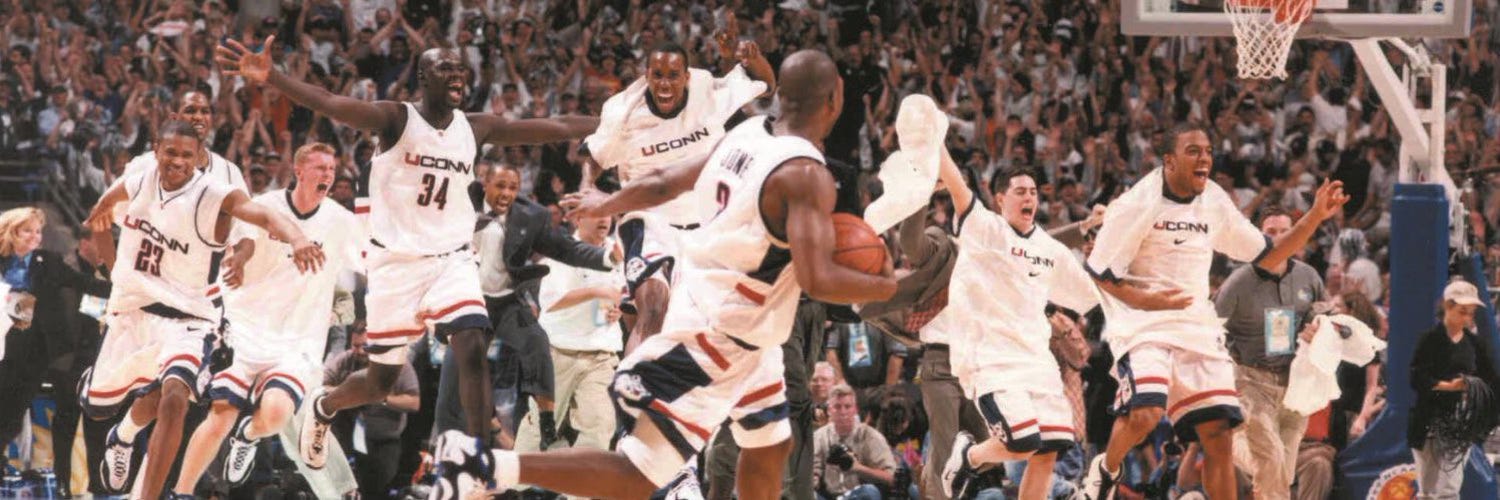
The NCAA has a long history of exploitation: its first executive director invented the term “student athlete” so it could legally deny athletes’ rights. For decades, it over-recruited, denied healthcare and injury compensation benefits, and allowed students to live below the poverty line.
Oddly, none of this evoked a “crisis” because coaches, the universities, and the NCAA were above the law. That changed when athletes won their cases, including several at the Supreme Court, and earned the right to be compensated for their talent and hard work.
Now, Congress is considering a bill that would hit the reverse button.
The Protect College Sports Act (PCSA) is, at its heart, an effort to erase most of the gains made by athletes, and put the money back in the hands of corporate executives. And we cannot ignore the fact that many of the highest paid athletes are Black while the adults in this system - the corporate executives and coaches - are mostly white. That reversal is why President Trump announced this month that the bill will be his top legislative priority for the fall.
Now, of course we realize this is not a simple issue. We both acknowledge that the rules and practices governing college sports could use reform and transparency. And we do not impute ill motives to the authors of the College Sports Reform Act; we believe their intentions are sincere.
But the crisis they say they are trying to solve is difficult to find. What do college sports need to be “protected” from? Revenue and fan support are at an all-time high. The Big Ten just signed a $13 billion contract to broadcast its games. More than 92,000 people filled an outdoor stadium to watch a women’s volleyball match. College sports are more popular, and generating more money, than ever before. There is also more parity than ever.
Is the problem that women’s sports are in jeopardy if high-value athletes keep getting paid? There is no evidence at all that this is true. Women’s programs are growing, not shrinking - more than 92,000 people filled an outdoor stadium to watch a women’s volleyball match - and there is no hard evidence that will change even as football and basketball revenues are directed toward the players who generate them.
No, the “crisis” to executives is simple: young athletes, many of them Black, who perform a service that would be worth billions in a free market, are finally getting what they lawfully deserve. The system of exploitation — in which colleges and their industry allies colluded to keep for themselves all the money college sports produce — started to crumble. That is the “crisis,” and that is the essential problem the PCSA seeks to solve.
How do we know? Look at the actual text of the bill.
First, it doesn’t even pretend to limit the impact of big money in college sports. It limits only the way that money reaches the athletes. It places a cap on the students’ cut of the revenues, but there are no caps on coaches’ salaries or on the size of donations to athletic programs.
Second, the legislation creates a system defined by double standards between students and coaches. Athletes are banned from transferring schools more than once, but coaches can switch schools whenever they please. In no other industry has Congress passed a law requiring a person to stay in a job, or remain at a school, for a fixed period of years. That would plainly violate the most basic freedoms of the American free-enterprise system.
The egregious double standards in the PCSA offer reason enough to oppose this bill, but they are small potatoes compared to the NCAA’s true target in this fight: a sweeping provision to exempt college sports programs from our antitrust laws. It’s those very antitrust laws that forced the NCAA to allow athlete compensation in the first place, and that’s exactly why they’ve been fighting for a congressional exemption ever since.
This is entirely unnecessary. There are easier, fairer, more effective solutions to the eligibility battles grabbing headlines this month: Congress could pass a standalone bill banning pro athletes from college sports. Better yet, it could grant athletes the collective bargaining rights every American worker is already entitled to, and let players and schools negotiate between themselves. But antitrust exemption is only necessary if schools want to keep colluding to unlawfully suppress athletes’ wages, keep working conditions dangerous, or stomp out any potential for athletes to fairly and equally negotiate.
This bill will ultimately create a detailed new body of federal law micromanaging the relationship between coach and player, university and athlete. No comparable statute exists for any other industry, or for any other relationship between coach and player, school and pupil, employer and employee. From here forward, Congress will be in the business of refereeing college sports. Every time the industry landscape shifts, the schools and their allies will return to Capitol Hill seeking a legislative adjustment. What a waste of legislative time — to install Congress as the permanent arbiter of college athletics simply because, at this particular moment, schools refuse to sit down with newly empowered student athletes and work the rules out themselves.
The impact of the bill will be immediate: athletes will make less money, and schools will exert more coercive control over them; extinguishing an athlete’s ability to bargain for their services. And that’s really the point — to put the largely white college presidents, athletic directors and coaches back in the driver’s seat, and to return the high-value athletes, who are mostly Black, back into servitude in the college sports industry.
We know this sounds like a harsh judgment. But we are not alone in it. The NAACP, the AFL-CIO, and virtually every organization representing student athletes strongly oppose this bill. They see it as a labor and civil rights issue, as do we.
We say all of this as people who love college sports. We want this enterprise to thrive. But nothing in this bill would make it thrive. It does not cap runaway expenses; it caps only what players receive. It does not empower athletes; it does the opposite by binding them in place while every adult around them stays free to leave for a better offer. It does not add transparency; it licenses the schools to collude quietly. And it will not hold, because talent eventually finds its price, and young men and women will not spend years risking their bodies for a fraction of what they are worth.
Strip away the language of crisis and an old story remains, with an unmistakable racial cast: adults that profited from a discriminatory system are panicking that young athletes are now empowered and are asking Congress to restore the old arrangement. Congress should decline — and tell the schools to go negotiate a resolution with their athletes, the way every other industry in America has to.
Real reform would require we stop the farce of college sports entirely. When coaches make more than presidents at universities and when alum can dictate policy, the system doesn’t need just reform— it needs to be abandoned. Let the NFL and NBA create farm teams, like baseball. Pay players real wages and provide protections. Then if players want to go the college later, they can.
Not surprising that Trump would be pushing such a racist bill to empower his ultra-wealthy white cronies.
Call your Senators to tell them to "kill the bill".